Showing posts with label brain injury lawyers. Show all posts

Monday, January 31, 2022

Brain Injuries

brain injury lawyers

Injuries to the brain are some of the most severe injuries to happen to a person after a terrible accident including car, truck, motorcycle, and work accidents and can lead to lifelong injuries or even a risk of death.

The Brain Injury Attorneys at Miller Weisbrod represent clients nationwide who have suffered severe brain injuries due to the negligence of others. From serious car accidents to workplace accidents, we put our experience and resources to work to achieve maximum compensation on behalf of our clients.

The consequences from a brain injury are unpredictable, and can change everything about us in a matter of seconds. The brain is made up of many parts, each with a specific and important function.

It controls our ability to balance, walk, talk, and eat. Our brain coordinates and regulates our breathing, blood circulation, and heart rate. It is responsible for our ability to speak, to process and remember information, make decisions, and feel emotions. Every brain is unique, ever-changing, and extremely sensitive to its environment.

BRAIN FUNCTIONS

The brain is a complex organ that controls thought, memory, emotion, touch, motor skills, vision, breathing, temperature, hunger and every process that regulates our body. Together, the brain and spinal cord that extends from it make up the central nervous system, or CNS.

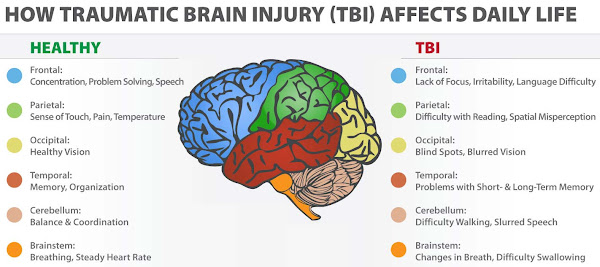
Injuries to these sections (or lobes) can have different effects based upon what part of functions they control.
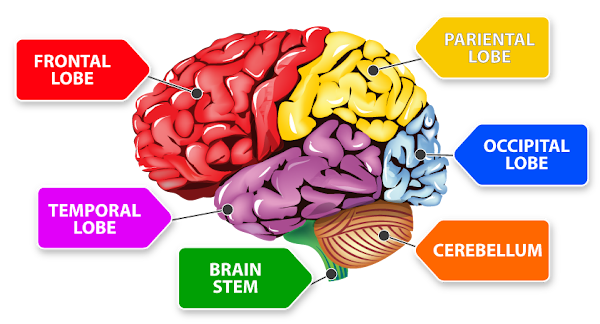
THE BRAIN IS DIVIDED INTO SECTIONS OR LOBES
brain lobes

Lobe Functions

FRONTAL LOBE
An injury to the frontal lobes may affect an individual’s ability to control emotions, impulses, and behavior or may cause difficulty recalling events or speaking.

  • Attention
  • Concentration
  • Self-Monitoring
  • Organization
  • Expressive Language (Speaking)
  • Motor Planning & Initiation
  • Awareness of Abilities
  • Awareness of Limitations
  • Personality
  • Mental Flexibility
  • Inhibition of Behavior
  • Emotions
  • Problem Solving
  • Planning
  • Judgment

TEMPORAL LOBE
An injury to the temporal lobes may lead individuals to demonstrate difficulty with communication or memory.

  • Memory
  • Understanding Language (Receptive Language)
  • Sequencing
  • Hearing
  • Organization

PARIETAL LOBE
Individuals who have injured their parietal lobes may have trouble with their five primary senses.

  • Sense of Touch
  • Spatial Perception (Depth Perception)
  • Identification of Sizes, Shapes, Colors
  • Visual Perception

OCCIPITAL LOBE
An injury to one’s occipital lobes may lead to trouble seeing or perceiving the size and shape of objects.

  • Vision

CEREBELLUM
The brain stem controls the body’s involuntary functions that are essential for survival, such as breathing and heart rate.

  • Breathing
  • Arousal
  • Consciousness
  • Heart Rate
  • Sleep & Wake Cycles

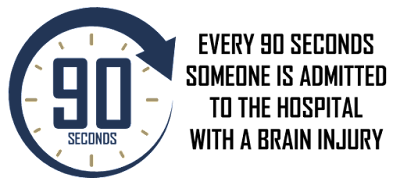
90 second brain injury

BRAIN INJURY TYPES

Brain injuries may be classified as traumatic or non-traumatic to describe the cause of the injury. They may also be classified as mild, moderate, or severe to indicate the initial severity of the injury. Other terms, such as diffuse or penetrating, may be used to describe the type injury.

As experienced Personal Injury Attorneys, Miller Weisbrod understands the devastating, and often life-long impact traumatic brain injuries (TBIs) can have on individuals and their families. We take a proactive approach to ensure our clients' immediate and future needs are covered by any verdict or settlement.

A traumatic brain injury (TBI) is defined as an alteration in brain function, or other evidence of brain pathology, caused by an external force. Traumatic impact injuries can be defined as closed (or non-penetrating) or open (penetrating).

Often referred to as an acquired brain injury, a non-traumatic brain injury causes damage to the brain by internal factors, such as a lack of oxygen, exposure to toxins, pressure from a tumor, etc. Read on for an overview of some of the common causes of brain injury.


BRAIN INJURY CAUSES

Traumatic Causes Traumatic Causes
Falls Stroke (Hemorrhage, Blood Clot)
Assaults Infectious Disease
Motor Vehicle Accidents Meningitis
Sports/Recreation Injuries Encephalitis
Abusive Head Trauma (Shaken Baby Syndrome) Seizure
Gunshot Wounds Electric Shock
Workplace Injuries Tumors
Child Abuse Metabolic Disorders
Domestic Violence Neurotoxic Poisoning (Carbon Monoxide, Lead Exposure)
Military Actions (Blast Injury) Lack of Oxygen (Drowning, Choking)
Hypoxic/Anoxic Injury – including during birth
Drug Overdose

brain waves

BRAIN INJURY SYMPTOMS

Signs of brain trauma can vary. One may experience physical symptoms or functional and emotional changes if a traumatic or non-traumatic brain injury has occurred.

After an impact or injury to the head, an individual can experience a variety of symptoms.

Common symptoms of a brain injury include:

  • Loss of consciousness, or altered consciousness (“state of confusion”)
  • Dilated eyes (the black center of the eye is large and does not get smaller in light) or unequal size of pupils
  • Vision changes (blurred vision or seeing double, not able to tolerate bright light, loss of eye movement, blindness)
  • Dizziness
  • Balance problems
  • Vomiting
  • Lethargy
  • Headache
  • Confusion
  • Weakness
  • Poor coordination
  • Rnging in the ears (tinnitus) or changes in ability to hear
  • Difficulty with thinking skills (difficulty “thinking straight”, memory problems, poor judgment, poor attention span, a slowed thought processing speed)
  • Inappropriate emotional responses (irritability, easily frustrated, inappropriate crying or laughing)
  • Difficulty speaking (slurred speech, difficulty swallowing)
  • Spinal fluid (thin, clear liquid) coming out of the ears or nose
  • Respiratory failure (difficulty breathing)
  • Coma (not alert and unable to respond to others) or semi-comatose state
  • Paralysis or difficulty moving body parts
  • Slow pulse
  • Slow breathing rate, with an increase in blood pressure
  • Body numbness or tingling
  • Loss of bowel control or bladder control

*If you are experiencing any of these signs of brain trauma, contact your doctor immediately.


BRAIN INJURY SEVERITY

The severity of damage to the brain after an injury is the primary factor in predicting the injury’s impact on the individual. Brain injury is typically categorized as mild, moderate, or severe.
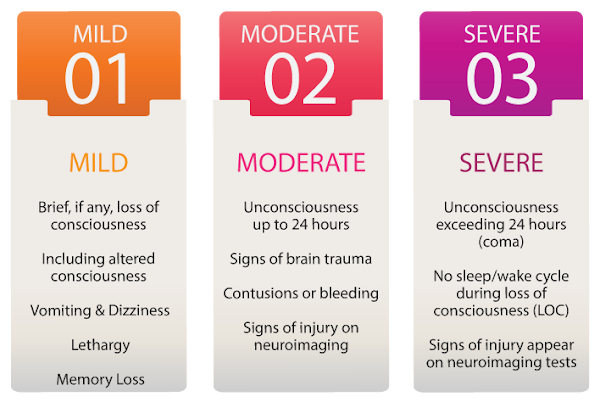
brain injury severity

A severe brain injury may cause the individual to experience an unconscious state, where one appears to be in a deep sleep and cannot be aroused or respond purposefully. Assessments will typically reveal that the individual has no sleep and wake cycles. This loss of consciousness (LOC) is referred to as a coma. Depending on varying factors and the severity of injury, the individual may remain in a coma, emerge from a coma, or experience an increased level of consciousness.

People can, however, experience different states of consciousness after brain injury. Understanding these disorders of consciousness can be important when discussing treatment and possible rehabilitation options.

Vegetative State

An individual is unaware, but begins to have sleep and wake cycles; normal digestion, breathing, and heart rates; and may open his or her eyes. The individual may occasionally respond to stimuli.

Persistent Vegetative State

Doctors consider a person to be in a persistent vegetative state one year after traumatic brain injury or three to six months after a hypoxic or anoxic brain injury.

Minimally Conscious State

An individual shows slight but definite self-awareness or awareness of their environment. They may inconsistently speak short phrases or words, respond to simple commands, may make “yes or no” gestures or verbalizations (sometimes incorrectly), follow people with their eyes, grasp or hold objects, and show appropriate emotional responses, such as smiling or crying.

One person may only demonstrate a few of these behaviors, while others exhibit all of them. A minimally responsive state may be a transition level to a higher level of consciousness. An individual is considered out of a minimally conscious state if he or she can communicate consistently (at least “yes” and “no”) or can use common objects, such as a glass or brush.

Locked-in Syndrome

An individual can only move his or her eyes, not any other part of their body, and is conscious and able to think.

Diagnosing brain injury and determining injury severity are two different things. In cases where the injury is more severe, it is usually clear from the individual’s symptoms that some type of brain injury has occurred. In situations where the brain injury is mild or moderate, further assessment is often needed to diagnose the brain injury.

CONTACT MILLER WEISBROD

If you or a loved one has suffered a brain injury after any type of accident, do not hesitate to contact the experienced Dallas injury attorneys at Miller Weisbrod, Attorneys At Law.

Our injury attorneys have the proven record, experience, and resources to help you achieve the compensation you deserve. Contact our offices in Dallas, today at (214) 987-0005 for your initial free consultation. You may also complete the form on this page to contact our support team.

Tuesday, November 23, 2021

Traumatic Brain Injuries (TBI)

TBI Scan

WHAT IS A TRAUMATIC BRAIN INJURY (TBI)

A traumatic brain injury, or TBI, is an injury that affects how the brain works. TBI is a major cause of death and disability in the United States. Anyone can experience a TBI, but data suggest that some groups are at greater risk for getting a TBI or having worse health outcomes after the injury.

There were about 61,000 TBI-related deaths in the United States in 2019. That comes to roughly 166 TBI-related deaths every day. TBIs affect the lives of people of all ages. Anyone can experience a TBI, but data suggest that some groups are at greater risk of dying from a TBI or experiencing long-term health problems after the injury.

While sports injuries, including repetitive concussions, are known causes of traumatic brain injuries, automobile accidents are another major cause of TBI’s. The most widely reported brain injuries from car accidents result from vehicle rollovers or occupant ejection. Car accidents are the second leading cause of TBIs, making up 17.3% each year, right after falls, which make up just over 35% of traumatic brain injuries. These often lead to catastrophic brain injuries, including skull fractures and other similar major traumatic injuries.

The majority of 18-wheeler truck wrecks will involve some level of traumatic brain injury. Traumatic brain injuries (“TBI”) occur when a bump, blow, or a jolt to the head disrupts the normal function of the brain.
brain scan

Surprisingly, a much more common cause is from a rear-end collision. Most of these brain injuries do not involve obvious trauma like a skull fracture or facial wound. The serious whiplash of the head back and forth due to a violent rear-end collision can cause a life altering brain injury (physicians refer to this injury as a “contrecoup” injury (where the brain contacts the front of the skull and back of the skull due to the whiplash forces).

A contrecoup TBI can injure blood vessels in the brain and cause a slow bleed, which can create pressure that contributes to brain damage and even death. Or the bleeds and tears may be microscopic in nature, but nevertheless have serious consequences on the higher (executive level) functioning of the brain. Contrecoup brain injury involves a contusion remote from, and opposite to, the actual site of impact to the head. A Contrecoup brain injury is an injury mainly prevalent in truck accidents given the large force of a rear-end collision from a commercial truck or tractor-trailer.

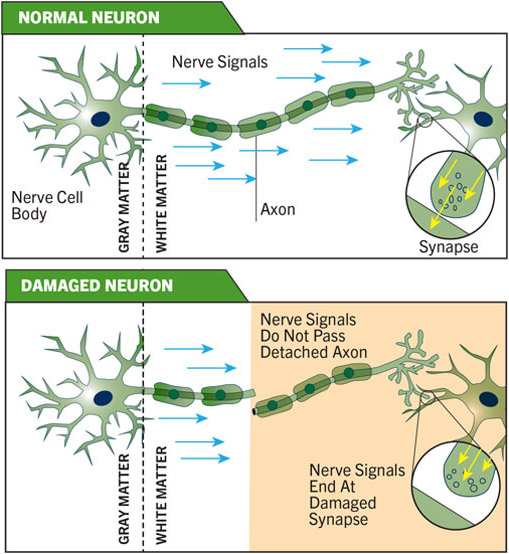
These injuries cause the neurons (transmitters) of the brain not to be able to relay the electrical messages of the brain as efficiently or quickly—leading to problems with memory, problem solving, emotion control and impulse control. These injuries can have lasting consequences.

normal neurons

TRAUMATIC BRAIN INJURY SYMPTOMS

Traumatic brain injury often occurs as a result of a severe sports injury, car accident, or 18-Wheeler accident. Immediate or delayed symptoms may include confusion, blurry vision, and concentration difficulty. Infants may cry persistently or be irritable.

Unlike other injuries, the full impact of a traumatic brain injury (TBI) may not be fully known at the time of the accident or even at the time of treatment.

Symptoms may appear days or weeks after an initial diagnosis, and could result in additional − and often expensive − medical treatment. Therefore, if you or a loved one has suffered a head injury due to the negligence of another, you should consult with an experienced personal injury attorney right away to ensure all your expenses − both now and in the future − are protected.

Symptomatic Experiences:
  • Cognitive: amnesia, inability to speak or understand language, mental confusion, difficulty concentrating, difficulty thinking and understanding, inability to create new memories, or inability to recognize common things
  • Behavioral: abnormal laughing and crying, aggression, impulsivity, irritability, lack of restraint, or persistent repetition of words or actions
  • Mood: anger, anxiety, apathy, or loneliness
  • Whole body: blackout, dizziness, fainting, or fatigue
  • Eyes: dilated pupil, raccoon eyes, or unequal pupils
  • Gastrointestinal: nausea or vomiting
  • Speech: difficulty speaking or slurred speech
  • Visual: blurred vision or sensitivity to light
  • Also common: persistent headache, a temporary moment of clarity, balance disorder, bleeding, bone fracture, bruising, depression, loss of smell, nerve injury, post-traumatic seizure, ringing in the ears, sensitivity to sound, or stiff muscles

PHYSICAL SIGNS OF TBI DAMAGE

  • Headache - Dull or sharp pain within the skull. Can occur anywhere with the cranium including areas away from the point of injury
  • Pain around or above the neck - Normally associated with whiplash. The head does not have to be hit for internal damage to occur. The brain tissue is harmed when hitting the inside of a person’s skull
  • Bleeding or bruising to any part of the head - Most obvious sign of minor to severe TBI. This includes nose bleeds, cuts or deep bruising to the face, neck or head
  • Hearing issues - People can lose hearing in one or both ears, hear ringing or high pitched noises that are not present
  • Eyesight problems - Dizziness, Blurred vision, seeing spots or blind spots. People have a hard time focusing or experience changes to vision after knock to head
  • Jaw pain - Normally occur from an act of violence or punch. A blow to the jaw can transfer force to skull resulting in damage to brain
  • Nausea or Vomiting - Similar to motion sickness or seasickness effect. People feel off balance indicating internal damage to the head

MENTAL SIGNS OF TBI DAMAGE

  • Confusion - People are easily confused or disoriented. They can’t remember basic information
  • Changes in mood - Agitation and combativeness levels are higher
  • Mental Status - Days and weeks after an incident a person’s normal behavioral patterns change. Become more aggressive, depressed or anxious
  • Sensitivity to light & sound - Normal sounds and well-lit rooms cause irritation, headache or pain. Suffers of TBI will prefer dark quite rooms

TYPES OF BRAIN INJURIES

When a doctor's mistake (Medical Malpractice) or simple inattention allows a treatable medical condition to result in permanent brain damage, the Traumatic Brain Injury Attorneys at Miller Weisbrod, Attorneys At Law are here to fight for full financial recovery for the victims and their families. Based in Dallas, we serve clients throughout Texas and nationwide.

Head injuries are categorized in three types - Mild, Moderate and Severe. These can have multiple symptoms in common.

Mild Brain Injury
  • Concussion resulting in changes to your mental status
  • Loss of consciousness from 0 to a maximum of 30 minutes
  • Confusion, dizziness, fatigue, memory loss, mood changes and headaches
  • Medical exams and tests (MRI & CAT Scans) may not show damage

Moderate Brain Injury
  • Concussions and Mild symptoms will be present. These issues will last longer and get worse overtime
  • Loss of consciousness from 15 minutes to 5 hours
  • Same symptoms of mild injury but worse
  • Medical exams and brain scans will be used reveal brain tissue damage

Severe Brain Injury
  • Loss of consciousness for more than 5 hours
  • Obvious swelling of head
  • Results in permanent neuro-biological damage
  • Results in a permanent lessening of cognitive abilities and sensory functions
  • Medical exams MRIs & CAT scans will necessary to assess extent of and area of damage
TBI chart

TRAUMATIC BRAIN INJURY TREATMENTS

Treatments for TBIs depend on the severity of symptoms. Treatment may involve rest, medication, or surgery.

MEDICATIONS
Medications include diuretics that help eliminate extra water from the body. It's also prescribed to treat high blood pressure.

SURGERY
Depending on the severity of the injury, a decompressive craniectomy may need to be performed. This is the surgical removal of part of the skull so that an injured brain can swell without being squeezed.

THERAPY
Rehabilitation is the retraining the brain's pathways to improve mental and physical functioning after an illness or injury.

Cognitive behavioral therapy is a talk therapy focused on modifying negative thoughts, behaviors, and emotional responses associated with psychological distress.

Anger management therapy includes practicing mindfulness, coping mechanisms, and trigger avoidance to minimize destructive emotional outbursts.

Counseling psychology is a branch of psychology that treats personal problems related to school, work, family, and social life.

If you notice any of these symptoms, or if you just can’t think clearly after a car accident, then seek medical attention immediately. You should also consult a personal-injury attorney as soon as possible.

CONTACT MILLER WEISBROD

Miller Weisbrod has dozens of million and multimillion dollar verdicts and settlements on behalf of clients who have suffered all levels of TBI. Our demonstrated trial experience and proven record of results are just some of the many reasons clients continue to turn to us in their time of need.

Among other notable cases, Miller Weisbrod recovered $4,250,000 on behalf of a passenger in a truck who suffered a catastrophic brain injury as a result of being forcibly ejected from a truck in a serious motor vehicle accident as well as $1,500,000 for a client injured in a construction/worksite accident after falling from an unstable work platform.

To schedule a free case evaluation regarding your Traumatic Brain Injury (TBI), please contact our office in Dallas at 214.987.0005 or toll free at 888.987.0005. You may also contact us by filling out the form on this page for answers to your questions or to schedule an appointment.

Personal Injury Lawyer Clay Miller

Tuesday, February 23, 2016

Traumatic Brain Injuries


Also known as “TBIs,” traumatic brain injuries are exactly what they sound like: serious injuries to the brain. Lately, TBIs have received more attention, especially due to the lawsuits filed by football players.

While sports injuries, including repetitive concussions, are known causes of traumatic brain injuries, automobile accidents are another major cause of TBI’s. The most widely reported brain injuries from car wrecks result from vehicle rollovers or occupant ejection. These often lead to catastrophic brain injuries, including skull fractures and other similar major traumatic injuries.

Surprisingly, a much more common cause (though under-reported) is from a rear end collision. Most of these brain injuries do not involve an obvious trauma like a skull fracture or facial wound. The mere serious whiplash of the head back and forth due to a violent rear-end collision can cause a life altering brain injury (physicians refer to this injury as a “Contra-Coup” injury (where the brain contacts the front of the skull and back of the skull due to the whiplash forces).

A Contra-Coup TBI can injure blood vessels in the brain and cause a slow bleed, which can create pressure that contributes to brain damage and even death. Or the bleeds and tears may be microscopic in nature, but nevertheless have serious consequences on the higher (executive level) functioning of the brain.

These injuries cause the neurons (transmitters) of the brain not to be able to relay the electrical messages of the brain as efficiently or quickly—leading to problems with memory, problem solving, emotion control and impulse control. These injuries can have lasting consequences.

Symptoms of a traumatic brain injury include:
1. Loss of Memory
2. Lack of Sleep
3. Dizziness
4. Balance Problems
5. Headaches
6. Fatigue

If you notice any of these symptoms, or if you just can’t think clearly after a car accident, then seek medical attention immediately. You should also consult a personal-injury attorney as soon as possible.

Miller Weisbrod has dozens of million and multi-million dollar verdicts and settlements on behalf of clients who have suffered all levels of TBI. Our demonstrated trial experience and proven record of results are just some of the many reasons clients continue to turn to us in their time of need.

Among other notable cases, Miller Weisbrod recovered $4,250,000 on behalf of a passenger in a truck who suffered a catastrophic brain injury as a result of being forcibly ejected from a truck in a serious motor vehicle accident as well as $1,500,000 for a client injured in a construction/worksite accident after falling from an unstable work platform

Contact Us
To schedule a free case evaluation regarding your TBI injury, please contact our office in Dallas at 214.987.0005 or toll free at 888.987.0005. You may also contact us by e-mail today for prompt answers to your questions or to schedule an appointment.