Friday, March 31, 2023

FATAL WORKPLACE ACCIDENTS IN TEXAS

Fatal Workplace Accidents, represent unsafe working conditions and personal risks faced by workers. In 2020, there were 4,764 fatal workplace injuries in the United States.

In the last 30 days, the Dallas-Fort Worth area has seen at least four construction-related fatal accidents. These fatal workplace accidents range from accidental electrocution to structural collapses.

As a result of the economic disruptions, the number of hours worked decreased 9% in 2020. This marks the first decrease in hours worked since 2009. Hours worked in 2021 recovered 5% from 2020 levels but are still down 4% from 2019 levels.

The increased hours worked in 2021 partially accounts for a 6% increase in preventable work deaths in 2021, now totaling 4,472. The preventable death rate increased from 3.0 in 2020 to 3.1 per 100,000 workers in 2021. Since 2011, the number of preventable work deaths has increased over 14%, while the death rate per 100,000 workers has increased 3%.

Prior to 2020, contact with objects and equipment was the third leading cause of injury, and accounts for 16.7% of cases in 2020.

Contact with objects and equipment, including:

  • A moving object striking a worker
  • A worker striking against an object or equipment, including bumping into, stepping on, kicking, or being pushed or thrown onto an object
  • A part of a worker’s body being squeezed, pinched, compressed, or crushed in equipment, between shifting objects, between stationary objects, or in a wire or rope
  • A worker being struck, caught, or crushed in collapsing structure, equipment, or material
  • A worker being injured as a result of friction or pressure between the person and the source of injury
  • A worker being injured from vibration

Construction workers hit by building materials have a high fatality rate but are preventable.
According to OSHA, about 75% of “struck-by” fatalities involve heavy equipment, such as trucks or cranes. Workers in agriculture, construction and manufacturing are mostly at risk.

According to the National Safety Council, there have been about 700 workplace deaths due to these types of incidents every year for the past decade, and hundreds of thousands of injuries annually.

Since 2012, the construction industry has experienced the most deaths followed by the transportation and warehousing industry. The leading fatal event in the construction industry is falls.

Construction and extraction had the largest increase in number of incidents from 105 in 2018 to 136 in 2019 and accounted for 22% of all incidents. Building and grounds cleaning and maintenance had the largest percent increase from 2018 (16) to 2019 (46), a 188% increase.

Census of Fatal Occupational Injuries program.
In 2021, The transportation and warehousing industry had the highest number of fatalities with 182 incidents. Fatalities in the transportation and warehousing industry increased to 138 representing 26% of all fatalities in Texas, up from both 2020 (96) and 2019 (137).

The construction industry had the same number of fatalities in 2021 as 2020 with 127 incidents, representing 24% of all fatalities in Texas.

According to the Department of Labor, the construction industry continues to have the highest number of fatalities with 127 in 2021. In 2021, there were 40 natural resources and mining fatalities — 14 less than 2020 (54) and 32 less than 2019 (72).

Number of Fatalities by Industry
Texas 2019-2021

The most common location for a fatal accident is on streets or highways with a total of 241 incidents, accounting for 45% of all fatal injuries. Industrial place and premises, includes industrial yards, loading platforms, railyards, warehouses, construction sites, factories, plants, and repair shops. These locations represent 20% of all fatalities with 107 incidents.

RECENT WORK SITE ACCIDENTS


Construction Related Fatality
March 29, 2023 | FORT WORTH, TX

A construction worker was killed in an equipment accident in Fort Worth on Wednesday morning. The incident happened around 4:45 a.m. near Northeast Loop 820 and North Railhead Road in north Fort Worth, according to a police report.

Police officials said it was a "construction related accident" in which a worker got entangled with a piece of heavy equipment. The worker, who has not been identified, died at the scene.

Wednesday's incident is at least the fourth construction-related death in North Texas this month.

Fatal Electrocution
March 3, 2023 | SOUTHLAKE, TX

46-year-old Adrian Quintanilla Melgar was electrocuted while trimming trees in Southlake.

Shortly after 11 a.m. Friday, March 3, Southlake firefighters and police officers were called to a home in the 900 block of West Dove Road. When first responders arrived, they found a man unconscious and suspended by a harness in a tree.

Witnesses told first responders that the man was a landscape employee who had been trimming trees at the property when he accidentally encountered a live electrical wire.

Southlake firefighters worked quickly to reach the victim and assess his condition, but he had already passed away. Firefighters then removed him from the tree.

The Southlake Police Department said the investigation into the incident is ongoing. The victim’s name will be released once next of kin is notified.

Fatal Crane Accident
March 3, 2023 | Celina, TX

43-year-old Neny Alejandro died after a crane at an elementary school construction site fell on top of him. The Celina Fire Department (CFD) confirmed the crane collapse at the future site of Dan Christie Elementary.

Fatal Roofing Accident
March 7, 2023 | Fort Worth, TX

Omar Sandoval Rangel died after falling off a roof in the 3100 block of Northwest Centre Drive. Omar Sandoval Rangel was installing a roof and fell around 11 a.m. Tuesday while working on a construction site in the 3100 block of Northwest Centre Drive in Fort Worth.

Structure Collapse
Also this month, a worker had to be rescued after getting stuck in a drainage pipe he was working on and two other workers were hospitalized when a Stephenville church collapsed in January. March 20, 2023 | Arlington, TX

A group of people working in a garden Description automatically generated with low confidence Arlington rescue crews pulled a worker out of a pipe at a water treatment plant on Monday morning. Multiple crews were called to the Pierce-Burch Water Treatment Plant near Lake Arlington after they got calls for a trapped worker.

The worker was trapped in a 54-inch water transmission line at the facility 6-feet down. The line had been drained of water for a pipe section replacement. The City of Arlington says the workers injuries were serious, but not life-threatening.

January 19, 2023 | STEPHENVILLE, TX

Two construction workers were hospitalized after the partial building collapse of a church in Stephenville, Texas.

The incident happened at First Baptist Church in Stephenville. One of the injured workers had to be transported to a hospital by air.

Police in Stephenville, about 68 miles southwest of Fort Worth in Erath County, said the fire department responded to the collapse at First Baptist Church just before 2 p.m.

Crews observed a part of the building's arched facade had collapsed onto the front steps of the church. According to police, the exterior of the building has been undergoing construction work to replace and clean the ornamental facade.

Police said two construction workers were on an extended boom lift when they were struck by falling debris.

One of the workers was transported by air to a hospital in Fort Worth, while the other was taken to a hospital in Stephenville.

Stephenville PD reported that one of the workers has been treated and released and the other remains hospitalized with serious but not life-threatening injuries.

CONTACT MILLER WEISBROD OLESKY


The Construction Accident Attorneys at Miller Weisbrod Olesky have won several multi million dollar verdicts and settlements on behalf of construction accident victims and their families. Our record of proven results is one of the many reasons individuals choose our firm to handle their cases.

If you were seriously injured or a loved one died in a construction accident caused by a negligent contractor or subcontractor or OSHA safety violations, we encourage you to call our offices in Dallas today at 214.987.0005 or toll free at 888.987.0005 to schedule a free consultation.

contact miller weisbrod olesky, attorneys

Monday, March 20, 2023

USPS Contractor Crashes Have Killed 79 People Since 2020

USPS Contractor Crashes

For many years the United State Postal Service (USPS) has been hiring outside trucking companies to keep up with the competition of other postal delivery services. Some of these companies have a long history of unsafe driving and drivers. As a result, postal delivery contractors have been involved in 68 fatal commercial vehicle accidents in the past three years. These accidents have taken the lives of 79 people.

Over 50 trucking contractors delivering for the US Postal service have poor safety records, and under investigation, or currently on probation from the Department of Transportation (DOT).

Under pressure for years from falling revenue due to reduced volume of first-class mail while it simultaneously struggled to meet consumer demand for door-to-door package delivery, the Postal Service has slowed some deliveries and raised prices, among other cost-saving measures. It has also increasingly turned to private trucking to move mail between distribution centers.

USPS’s contracting manual’s only specific safety requirement is that trucking contractors must have a DOT safety rating that is better than “unsatisfactory.” At that rating, DOT bans a company from driving.

Recent investigative reports have found that the USPS contributed to recent fatal truck accidents by pushing for unrealistic delivery times, a lack of monitoring of DOT compliance and a failure to track serious accidents by its contractor trucking companies.


USPS Cutting-Costs

Many of the private trucking companies work exclusively for USPS, which spends about $5 billion annually on trucking contracts, making it one of the largest U.S. purchasers of shipping services. During the pandemic, the trucking industry was pummeled by a combination of rising e-commerce, a shortage of drivers and changes in the supply chain.

The postal service was forced to further stretch its network to keep packages moving. USPS spending on emergency and add-on trucking contracts more than doubled from 2019 to 2021.


Truck Driver Fatigue

The most common violation among the postal truck driver contractors were violations of DOT rules preventing truck driver fatigue by limiting how many hours truckers can drive. About 39% of trucking companies that hauled U.S. mail breaks those limits, compared with 13% of other for-hire trucking companies that were inspected during that time.

The USPS tolerated the violations and set unrealistic expectations for speedy deliveries for truck drivers that led the trucking contractors breaking the rules. Dozens of cross-country trips listed in postal contracts with deadlines that would require drivers to stay on the road longer than federal trucking safety rules allowed unless companies cut into their profits by using multiple drivers.


Safety Violations

The US Postal Service paid more than $115 million to a Tennessee-based trucking company in 2021, making it one of USPS’s largest trucking contractors. Two additional trucking companies in the group paid fines in 2017 over safety violations, including failing to ensure truck drivers complied with the 18 wheeler driving hour limits, which led DOT to put them on probation.

Between 2017 and December 2022, the trucking company was caught breaking the rules limiting truck drivers’ hours more than 200 times.


Fatal Truck Wreck – Denver 2022

In June 2022, an 18 wheeler operated by a Postal Service trucking contractor collided into a Ford Edge as the Ford slowed in traffic on Interstate 25 near Denver, killing five people including a baby. The contracted truck driver was distracted and lacked a valid commercial license. The trucking company had a history of DOT violations going back a decade of work with USPS.

Public inspection records, which cover routine checks, such as at weigh stations, and traffic stops, show the Colorado crash was at least the 16th time Contracted Commercial Truckers were caught without the necessary commercial driver’s licenses since 2017 and the second time that week.

The driver in the Colorado highway crash was charged with vehicular homicide and other crimes in December.


Limited Oversight

Large commercial shippers generally refuse to hire trucking companies with DOT’s probationary rating, called “conditional,” which is higher than unsatisfactory.

USPS’s inspector general in 2016 claims the agency employed only 18 contract officers to oversee its commercial trucking network, saying that allowed for just four hours of annual oversight work per trucking contract.


Pushing The Limit

The Postal Service requires contractors to fulfill schedules that veteran trucking company operators said would be seriously challenging considering DOT rules restricting driving hours.

Postal contractor companies sometimes try to arrange for drivers to tag-team on long trips, but relays can easily break down, for example if a driver is late to the relay point.

DOT flagged 466 Postal Service trucking contractors for high rates of violations related to driving hours which the agency uses to prioritize investigations.

The Postal Service’s own fleet, which includes mail-delivery vehicles, bigger box trucks and tractor trailers operated by its own employees, are excluded from DOT’s safety regulations. That means the overall safety of that portion of its operation cannot be evaluated using DOT’s records.


Miller Weisbrod Olesky’s Commercial Vehicle Accident Attorneys

If you were injured in an accident caused by an 18-wheeler, tractor-trailer, semi-truck, big rig, or any other commercial or municipal vehicle, we invite you to contact our offices today to schedule a free consultation with an experienced trial lawyer.

Immediate investigation and swift legal action may be necessary to protect your rights. Miller Weisbrod Olesky represents commercial vehicle accident victims across the United States. To discuss your case in a free consultation, please call our offices toll free at 888.987.0005 or contact us by e-mail today.

Tuesday, October 18, 2022

10 Most Dangerous Texas Highways

With the holiday travel season quickly approaching, driver safety in Texas is crucial. Whether it’s because of a high speed limit, the volume of cars traveling, or the condition of the road, some highways consistently have more crashes than others. Every year, over 3,000 people are killed in road crashes throughout the state of Texas. 4,489 motor vehicle fatalities in 2021 sets a record with a 15% increase.

Out of the record high 4,489 fatal motor vehicle accidents, 630 of those accidents involved commercial vehicles. When a truck collides with a passenger vehicle, the result can be devastating. Those traveling in the passenger vehicle are likely to be seriously injured or tragically killed in the collision.

Approximately 14% of all Texas motor vehicle fatalities in 2021 occurred with large commercial vehicles.

The majority fatal truck wrecks involve passenger vehicle occupants. The vulnerability of people traveling in smaller vehicles; trucks often weigh 20-30 times as much as passenger cars and are taller with greater ground clearance, which can result in smaller vehicles underriding trucks in crashes.

Contributing Factors of a Commercial Truck Wreck


Among other notable truck wreck cases, Miller Weisbrod Olesky Truck Wreck Attorneys recovered $8,750,000 from a large trucking company which was responsible for the deaths of a 67-year-old and a 19-year-old who were from Mexico.


Fatal Texas Highways

#1. STEMMONS FREEWAY (I-35E) - DALLAS
Description: US-77/ I-35E Between the I-30 Interchange and Exit 434
Fatal Accidents 2017-2019: 20
Fatal Accidents Per Mile: 4.1

Fatal Texas Highway: Stemmons Freeway (I-35E) - Dallas, Texas


#2 MARVIN D LOVE FREEWAY - DALLAS
Description: Between Camp Wilson Road and Illinois Avenue
Fatal Accidents 2017–2019: 15
Fatal Accidents Per Mile: 3.3

Fatal Texas Highway: Marvin D. Love Freeway - Dallas, Texas


#3 TOMBALL PARKWAY (TX-249) - HOUSTON
Description: Between Antoine Dr. and W. Greens Rd.
Fatal Accidents 2017–2019: 14
Fatal Accidents Per Mile: 3.2

Fatal Texas Highway: Tomball Parkway (TX-249) - Houston, Texas


#4 INTERSTATE 35 - AUSTIN
Description: Between Exit 244 and the interchange with Route 290
Fatal Accidents 2017–2019: 14
Fatal Accidents Per Mile: 3.1

Fatal Texas Highway: Interstate 35 - Austin, Texas


#5 TEXAS LOOP 12 - DALLAS
Description: Between South Lancaster Rd. and Longacre Lane
Fatal Accidents 2017–2019: 12
Fatal Accidents Per Mile: 2.5

Fatal Texas Highway: State Highway Loop 12 - Dallas, Texas


#6 INTERSTATE 45 - HOUSTON
Description: Exit 63 (Airtex Dr.) to Metro TX 249 station
Fatal Accidents 2017–2019: 12
Fatal Accidents Per Mile: 2.4

Fatal Texas Highway: Interstate Highway 45 - Houston, Texas


#7 LYNDON B JOHNSON FREEWAY (LBJ) – MESTQUITE/GARLAND
Description: Jupiter Road to the I-30 interchange
Fatal Accidents 2017–2019: 12
Fatal Accidents Per Mile: 2.5

Fatal Texas Highway: Lyndon B. Johnson Freeway (LBJ) - Garland, Texas


#8 TX HWY 183 – IRVING/FORT WORTH/EULESS
Description: N. Beltline Rd. to N. Industrial Blvd.
Fatal Accidents 2017–2019: 12
Fatal Accidents Per Mile: 2.6

Fatal Texas Highway: Texas State Highway 183 - Irving, Texas


#9 INTERSTATE 20 – FORT WORTH/FORREST HILL/KENNEDALE
Description: The I-820 interchange to the I-35 W Interchange
Fatal Accidents 2017–2019: 12
Fatal Accidents Per Mile: 2.8

Fatal Texas Highway: Interstate Highway 20 - Fort Worth, Texas


#10 INTERSTATE 45 - HOUSTON
Description: Rte. 5 to Exit 50
Fatal Accidents 2017–2019: 11
Fatal Accidents Per Mile: 2.3

Fatal Texas Highway: Interstate Highway 45 - Houston, Texas

A truck driver for the largest milk hauler in the United States fell asleep at the wheel, causing a wreck that killed my mom, Julia Jones. When the insurance company wouldn’t settle, Clay Miller took the case to trial. During cross-examination, Clay made the driver admit he faked his logs and the safety director concede the company was grossly negligent. Just before closing argument, the case settled for $5.8 million. - TINA KHWAJA


The experienced attorneys at Miller Weisbrod Olesky take on the largest commercial transportation companies and their insurance carriers. Our proven record of success in obtaining substantial settlements and verdicts for our injured clients speaks for itself.

If you were injured in an accident caused by an 18-wheeler, tractor-trailer, semi-truck, big rig, or any other commercial or municipal vehicle, contact our offices today to schedule a free consultation with an experienced trial lawyer.

Immediate investigation and swift legal action may be necessary to protect your rights. Miller Weisbrod Olesky represents commercial vehicle accident victims across the United States. To discuss your case in a free consultation, please call our offices toll free at 888.987.0005 or contact us by e-mail today.

Check Highway Conditions Before You Travel with DriveTexas.

Tuesday, June 14, 2022

Dallas Birth Injury Lawyers

Dallas Birth Injury Lawyers Fighting For Your Baby's Future

Our national birth injury law firm helps families who face the devastating consequences of birth injuries caused by medical malpractice and negligence.

The Dallas Birth Injury Lawyers of Miller Weisbrod Olesky focus on providing experienced, skilled representation to get the best results for our clients. Our track record of successful settlements and verdicts speaks for itself.

Birth Injuries Strike the Most Innocent of Victims

Expectant mothers and their babies rely on medical professionals to give them the care they need. Birth injuries can happen when those doctors, nurses, midwives, and hospitals fail.

Dallas Birth Injury Lawyers

Before a baby is born, it’s crucial for doctors to identify and treat any conditions that arise like:

  • Serious maternal medical conditions, like diabetes, high blood pressure, and infections
  • Signs the baby is not growing as expected
  • Abnormal heartbeats
  • Decreased fetal activity
  • Abnormal fetal presentation (breech)
  • Risk of premature delivery
Fetal Heart Rate Monitoring Lawyers

During labor and delivery, situations arise that could harm the baby if medical professionals quickly provide the proper care:

Dallas Fetal Distress Lawyers

Finally, babies can suffer birth injuries after they are born when doctors and nurses don’t treat the following conditions:


Was your child injured at birth? If so, our Dallas Birth Injury Lawyers can discuss your situation during a free consultation. Just call (888) 987-0005 to set up your free consultation.

Birth Injuries Take a Toll on Children and Their Families

Dallas Cerebral Palsy Lawyers

Depending on how badly your child was injured, you might be facing years of medical treatment and therapy. Many children with birth injuries need the following kinds of care:


Dealing with a birth injury is emotionally and financially exhausting. Registered Nurses and Nurse-Attorneys Are a Vital Part of Our Birth Injury Team … and Yours

Miller Weisbrod Olesky's Nurse Attorneys

As Dallas Birth Injury & Cerebral Palsy Attorneys, we fight to get justice for our clients. We believe in holding negligent medical professionals accountable for their negligence. We do this by:

  • Discussing your case with you in detail
  • Using our extensive resources to investigate your baby’s records thoroughly
  • Providing nurse-attorneys and nursing staff who understand what has happened medically
  • Consulting with experts who understand how you and your child should have been treated
  • Seeking compensation for your baby’s injuries from the people who caused them

The compensation our clients receive in birth injury lawsuits makes a difference. They can better care for their child while also covering other expenses like childcare and lost wages.

Miller Weisbrod Olesky Birth Injury Lawyers

Free Consultations

We do not collect a fee until we win your case.

You’re facing some challenging decisions – whether someone caused your baby’s birth injury and how to hold them accountable. As experienced Dallas Birth Injury Attorneys, we have obtained verdicts and settlements for clients like you. The millions of dollars our clients received were used for therapies, treatments, assistive devices, caregivers, and planning for the future. Don't hesitate to get in touch with us today to discuss your unique circumstances.

Wednesday, March 16, 2022

USW Passenger Van Fatal Accident

More than 4,480 people died on Texas roadways in 2021, according to the Texas Department of Transportation, marking the second-deadliest year of traffic fatalities since the agency began tracking them in 1940.

When asked which vehicles are among the most dangerous on the road, few consumers would mention passenger vans. In fact, passenger vans, when loaded are among the most difficult vehicles to maneuver in hazardous conditions. Their poor design leads to rollovers causing serious injuries or death from roof crush or ejection.

USW Passenger Van Fatal Accident

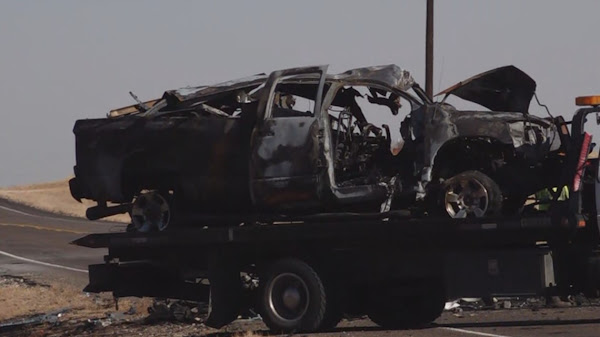
On Tuesday, March 15, 2022, a Ford passenger van that was registered by University of the Southwest was traveling northbound, while a Dodge 2500 pickup was traveling southbound. For unknown reasons, the Dodge pickup truck drove into the van head-on causing both vehicles to catch on fire. The van was heading back from a golf tournament in Midland where both the women's and men's golf team members were competing. Nine people are tragically killed and two others are injured.

usw golf coach tyler james

Types Of Commercial Vehicles:

  • Corporate commuter and passenger vans
  • Heavy pickups like the Ford F350, often used as work vehicles at oil rigs and commercial worksites in West Texas and around the country
  • Commercial delivery vans, Fed Ex and UPS trucks
  • Beer and soda trucks
  • Panel vans
  • Dump trucks and other construction vehicles
  • Tow trucks
  • Logging trucks
  • Heating oil delivery trucks, especially in the northeastern United States

At Miller Weisbrod, our clients are not statistics — they are real people in need of proactive, aggressive representation to defend their rights. We represent victims of truck accident injuries and wrongful death nationwide. We welcome the opportunity to apply our years of experience, skill and demonstrated ability to produce real results in difficult and complex cases involving: Truck driver error & carelessness, truck underride accidents, driver fatigue.

Your family has the right to pursue compensation from those responsible for the economic loss and emotional distress you have endured. We bring our demonstrated trial experience, wealth of resources and in-depth knowledge of commercial vehicle regulations to every case we handle. We have obtained substantial multi-million dollar recoveries on behalf of bereaved families across the nation.

  • $8.75 million from a major trucking company that was responsible for the deaths of two Mexican nationals

    * A contingent (%) fee charged on the successful recovery resulted in a fee of $3,500,000.00 and $289,683.18 in litigation expenses which were reimbursed by the client out of the gross settlement amount.

  • $5.8 million on behalf of the families of two women killed by a truck driver for the largest milk hauler in the U.S. who fell asleep at the wheel

    *A contingent (%) fee charged on the successful recovery resulted in a fee of $2,320,000.00 and $85,600.00 in litigation expenses which were reimbursed by the client out of the gross settlement amount.

  • $6 million for the family of a female driver killed by a distracted driver

    *A contingent (%) fee charged on the successful recovery resulted in a fee of $1,600,000.00 and $112,447.50 in litigation expenses which were reimbursed by the client out of the gross settlement amount.

While past results are no guarantee of future recoveries, our attorneys can guarantee to provide the experienced, aggressive and dedicated representation you deserve to hold negligent truckers and trucking companies accountable.

Our truck accident attorneys are absolutely prepared to take on commercial transportation operations across the United States. For more information, contact our offices at 888.987.0005 to schedule a free consultation.

Learning About Cerebral Palsy

cerebral palsy home health

Cerebral Palsy is a congenital disorder of movement, muscle tone, or posture. Cerebral palsy is due to abnormal brain development, often before birth. CP is the most common motor disability in childhood.

Cerebral means having to do with the brain. Palsy means weakness or problems with using the muscles. Cerebral palsy is a group of physical disorders that permanently affect:

  • Posture
  • Balance
  • Movement
  • Ability to control movement
  • Communication
  • Eating
  • Sleeping
  • Learning

What Causes Cerebral Palsy?

The causes of cerebral palsy can be more difficult to grasp if medical errors are involved. Cerebral palsy can be caused by doctors or nurses failing to respond to fetal distress, failing to perform a timely C-section or other errors during the labor and delivery process or care shortly after birth of a child. These errors can constitute medical malpractice.


Symptoms Of Cerebral Palsy

The symptoms of cerebral palsy are primarily physical. However, injuries to an infant’s brain, including hypoxic-ischemic encephalopathy (HIE), are the primary cause of CP. Cerebral actually means brain, while palsy means muscle weakness.Symptoms vary widely among children with cerebral palsy. Some signs may show up soon after delivery, while milder cases may not be diagnosed until later, usually by two to five years of age.

The two general classifications of symptoms are:

  • Decreased muscle tone (Hypotonia) – Infants with hypotonia may seem floppy. Brain damage can cause hypotonia
  • Increased muscle tone (Hypertonia) – Muscles become stiff and challenging to move. Hypertonia also can be caused by brain damage
hypertonia and hypotonia

Between ages 6 months and 12 months, an infant with cerebral palsy might exhibit the following symptoms:

  • Missing physical development milestones
  • Unable to roll over
  • Difficulty moving hands
  • Keeping one hand fisted while reaching with the other
  • Lopsided crawling
  • Not crawling on all fours

Adults with cerebral palsy might exhibit additional symptoms, including:

  • Lack of muscle coordination
  • Difficult performing precise movements
  • Difficulty walking
  • Stiff muscles
  • Exaggerated reflexes
  • Shaking, twitching, or other involuntary movements
  • Drooling or having trouble swallowing
  • Difficulty speaking

Types Of Cerebral Palsy

Cerebral palsy is a complex disorder where brain damage causes physical disabilities. The wide range of symptoms and degrees of severity complicate diagnosis and treatment, as well as perception.

types of cerebral palsy

Within the cerebral palsy diagnosis, there are four basic types of CP:

  • Spastic cerebral palsy
  • Ataxic cerebral palsy
  • Dyskinetic cerebral palsy
  • Mixed cerebral palsy

Spastic cerebral palsy is the most common type of cerebral palsy. In fact, roughly 80% of people with CP are diagnosed with a form of spastic CP. People with spastic cerebral palsy exhibit uncontrollable, involuntary limb movements and tight muscles that inhibit movements, causing bone and joint deformities.

  • Diplegia or Diparesis: This type of CP indicates that an individual has severe muscle stiffness, particularly in their legs. Their arms might be affected very little or not at all.
  • Hemiplegia or Hemiparesis: Here, disability affects only one side of an individual’s body. Typically, this type of CP affects a person’s arms more than their legs.
  • Quadriplegia or Quadriparesis: This is the most severe form of spastic cerebral palsy because it affects a person’s arms, legs, trunk, and face. Also, people with this form of CP usually have intellectual disabilities and suffer from seizures and speech, hearing, and vision problems.

Dyskinetic cerebral palsy is the second most common form of cerebral palsy. Research indicates dyskinetic cerebral palsy is caused by “non-progressive lesions to the basal ganglia or thalamus or both.” Frequently, birth trauma due to medical errors during labor and delivery or immediately following birth (called “neonatal negligence”) causes these injuries.

Since dyskinetic cerebral palsy may affect the face and tongue, it may be difficult to talk, suck, and swallow. However, the muscle tone of children with dyskinetic CP often varies from day to day and even from hour to hour. Doctors recognize three forms of dyskinetic CP based on an individual’s symptoms:

  • Dystonic: Dystonic symptoms include twisting, repetitive movements that are more prominent when a child is tired or emotional. For some children, pain levels increase with increased movement. These symptoms affect activities of daily life, quality of life, and participation in social activities.
  • Athetoid: Characterized by slow, writhing movements, athetoid’s primary symptoms include abnormal posture, impaired coordination, and minimal control over movement. A child with athetoid symptoms might be unable to maintain posture. Other limitations include trouble with standing, sitting, and hand movements. Athetoid dyskinetic cerebral palsy can be caused by bilirubin encephalopathy or hypoxic-ischemic encephalopathy (HIE).
  • Choreoathetosis: Someone with chorea symptoms will have movements that are clumsy, abrupt, and unpredictable. Wild, violent movements are possible with more severe forms of choreoathetosis cerebral palsy. Chorea can interfere with movements, speech, and swallowing.

Dystonia and choreoathetosis are often found together.

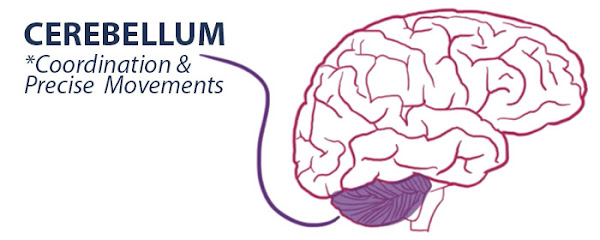
Ataxic Cerebral Palsy refers to issues with balance and coordination. Children with this form of CP might appear unsteady and shaky. Their movements might seem disorganized and jerky to other people.

It’s believed that ataxic cerebral palsy is the result of damage to the cerebellum. This part of the brain is responsible for controlling movement and plays a part in “cognition, emotional processing, and social behavior.”

cerebellum

Mixed cerebral palsy is the diagnosis when children have a combination of cerebral palsy symptoms. Typically, this means that brain injury has occurred in several parts of the brain. Currently, spastic-dyskinetic CP is the most common type of mixed cerebral palsy.


Cerebral Palsy Treatments

There’s no cure for cerebral palsy. But that doesn’t mean there’s no way to alleviate symptoms and improve abilities. In fact, treatments and therapies that are currently available can help someone with cerebral palsy live as fully as possible.

Typical goals for a child with CP include:

  • Preventing or reducing physical symptoms
  • Preventing or reducing physical symptoms
  • Improving the child’s mobility
  • Optimizing the child’s overall health
  • Maximizing success and independence

Treatment plans for people with cerebral palsy may include medications, surgeries, and therapies. Also, medical equipment and assistive technology often play an essential part in the daily life of a child with CP.


Cerebral Palsy Medications

Medical professionals might administer medications orally, in IVs, or through muscle injections. The drugs prescribed for people with cerebral palsy fall into the following categories:

  • Anti-spasmodic: These drugs help reduce muscle spasms, spasticity, and tight muscles. Examples: Baclofen, benzodiazepines like diazepam, lorazepam. Dantrolene sodium (Dantrium and Revonto). Diazepam (Valium). Tizanidine or Flexeril (muscle spasms). Botulinum toxin (injected). Intrathecal baclofen (implantable pump)
  • Anticonvulsant: Medical professionals sometimes prescribe anticonvulsants for children who experience seizures. Examples of anticonvulsants medications include Clonazepam/Klonopin (benzodiazepines), Dilantin (phenytoin), Tegretol (carba-mazepine)
  • Anticholinergic: Doctors sometimes prescribe anticholinergics to patients with involuntary muscle movements and excessive drooling. Examples are benztropine mesylate, Robinul, and Sinemet
  • Anti-inflammatory: These medications might be administered for pain relief. Reducing inflammation also helps control the chronic pain that people with CP often face. Examples: Nonsteroidal anti-inflammatory drugs, steroids

Doctors also often prescribe anti-depressants for people suffering from depression. In addition, recent studies indicate that medications containing cannabidiol (CBD) may have a positive effect on children with cerebral palsy. However, research is ongoing.


Cerebral Palsy Surgeries

Sometimes surgery is the best option to treat a child’s cerebral palsy symptoms, particularly those associated with motor skill deficits.

  • Selective dorsal rhizotomy: Pediatric orthopedic surgeons use this surgery to “improve communication between the spine and muscle.” This surgery can help decrease muscle tone and stiffness problems
  • Intrathecal baclofen pump: Baclofen is used to treat muscle spasms, which is a common symptom of cerebral palsy. Some patients benefit from having an intrathecal baclofen pump surgically inserted into their abdominal wall. The pump then sends baclofen directly to the patient’s spine
  • Orthopedic surgeries: Some children and adults with cerebral palsy benefit from surgery used to ease tight muscles and correct problems with bones and joints
  • Surgeries to Address Other Conditions: Cochlear implants can improve or restore a patient’s hearing. Many people with cerebral palsy suffer from gastrointestinal problems that can be eased with surgery. Finally, nasogastric tubes and gastronomy tubes help when feeding issues arise

Cerebral Palsy Therapies

Therapies like the following can help people with cerebral palsy improve and retain capabilities.

assisted devices and equipment

  • Physical Therapy: Typically, children learn how to sit, walk, and use orthotics with the help of a physical therapist. Other benefits include stretching muscles, improving mobility, and preventing or reducing muscle contractures
  • Occupational Therapy: This type of therapy teaches children how to handle activities of daily living. For example, children may learn how to get dressed, bathe, and eat. Therapists help the children make the most of their abilities, which can improve the child’s self-confidence. Occupational therapists tend to focus more on fine motor skills and hand-eye coordination
  • Speech and Language Therapy: Many people with cerebral palsy experience speech and communication issues. This type of therapy helps people improve their ability to speak and addresses muscle control problems with the tongue and mouth. Some children learn new ways to communicate, like sign language or computer software
  • Recreational Therapy: Engaging in recreational activities can help a child with cerebral palsy improve their physical and intellectual skills. Also, parents often see improvement in self-esteem and emotional well-being
  • Alternative Therapies: Children may also benefit from other, complementary forms of therapy, including:

    • Hippotherapy: Riding and interacting with specially-trained horses sometimes improves a child’s balance, especially children with pelvic bone disorders. This therapy also helps with other activities involving balance and postural alignment, including walking, jumping, and using stairs
    • Hyperbaric oxygen therapy (HBOT): This therapy exposes children to pressurized air or oxygen while in a special chamber. With higher air pressure, lungs can take in extra oxygen that is then used throughout the body to promote healing. HBOT is often used for people with traumatic brain injuries.

The parents of children with cerebral palsy often want answers. They want to know what happened to harm their child’s brain. Was it preventable?

Birth Injury Cerebral Palsy Attorneys

Our dedicated birth injury lawyers want to help you find those answers. We diligently investigate the facts and hold responsible parties accountable by pursuing medical malpractice claims against them. The compensation our clients receive helps them pay for their child’s current and future medical treatment, assistive technology and equipment, and the other expenses associated with caring for a child with cerebral palsy.

At Miller Weisbrod, a team of committed professionals use our detailed case review process to assess your potential claim. They start by learning more about you and your child. Then we gather medical records to determine what happened before, during, and after your delivery. We call in skilled medical experts who review your records and let us know if they think medical errors could have caused your child’s injuries.

The medical review of your case and the consultation are free. We only receive payment when you do when, and only when, a money settlement is reached for your child.

If your family has been affected by a birth injury such as cerebral palsy caused by a doctor's mistake or delivery room negligence, we invite you to contact our firm to discuss your case in a free initial consultation.

Our birth injury attorneys have the proven record, experience, and resources to help you achieve the compensation you deserve. Contact our offices today at (888) 987-0005 for your initial free consultation. You may also complete the form on this page to contact our support team.

Monday, January 31, 2022

Brain Injuries

brain injury lawyers

Injuries to the brain are some of the most severe injuries to happen to a person after a terrible accident including car, truck, motorcycle, and work accidents and can lead to lifelong injuries or even a risk of death.

The Brain Injury Attorneys at Miller Weisbrod represent clients nationwide who have suffered severe brain injuries due to the negligence of others. From serious car accidents to workplace accidents, we put our experience and resources to work to achieve maximum compensation on behalf of our clients.

The consequences from a brain injury are unpredictable, and can change everything about us in a matter of seconds. The brain is made up of many parts, each with a specific and important function.

It controls our ability to balance, walk, talk, and eat. Our brain coordinates and regulates our breathing, blood circulation, and heart rate. It is responsible for our ability to speak, to process and remember information, make decisions, and feel emotions. Every brain is unique, ever-changing, and extremely sensitive to its environment.

BRAIN FUNCTIONS

The brain is a complex organ that controls thought, memory, emotion, touch, motor skills, vision, breathing, temperature, hunger and every process that regulates our body. Together, the brain and spinal cord that extends from it make up the central nervous system, or CNS.

Injuries to these sections (or lobes) can have different effects based upon what part of functions they control.

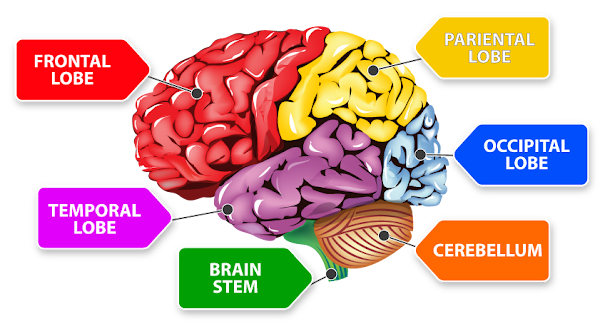
THE BRAIN IS DIVIDED INTO SECTIONS OR LOBES
brain lobes

Lobe Functions

FRONTAL LOBE
An injury to the frontal lobes may affect an individual’s ability to control emotions, impulses, and behavior or may cause difficulty recalling events or speaking.

  • Attention
  • Concentration
  • Self-Monitoring
  • Organization
  • Expressive Language (Speaking)
  • Motor Planning & Initiation
  • Awareness of Abilities
  • Awareness of Limitations
  • Personality
  • Mental Flexibility
  • Inhibition of Behavior
  • Emotions
  • Problem Solving
  • Planning
  • Judgment

TEMPORAL LOBE
An injury to the temporal lobes may lead individuals to demonstrate difficulty with communication or memory.

  • Memory
  • Understanding Language (Receptive Language)
  • Sequencing
  • Hearing
  • Organization

PARIETAL LOBE
Individuals who have injured their parietal lobes may have trouble with their five primary senses.

  • Sense of Touch
  • Spatial Perception (Depth Perception)
  • Identification of Sizes, Shapes, Colors
  • Visual Perception

OCCIPITAL LOBE
An injury to one’s occipital lobes may lead to trouble seeing or perceiving the size and shape of objects.

  • Vision

CEREBELLUM
The brain stem controls the body’s involuntary functions that are essential for survival, such as breathing and heart rate.

  • Breathing
  • Arousal
  • Consciousness
  • Heart Rate
  • Sleep & Wake Cycles

90 second brain injury

BRAIN INJURY TYPES

Brain injuries may be classified as traumatic or non-traumatic to describe the cause of the injury. They may also be classified as mild, moderate, or severe to indicate the initial severity of the injury. Other terms, such as diffuse or penetrating, may be used to describe the type injury.

As experienced Personal Injury Attorneys, Miller Weisbrod understands the devastating, and often life-long impact traumatic brain injuries (TBIs) can have on individuals and their families. We take a proactive approach to ensure our clients' immediate and future needs are covered by any verdict or settlement.

A traumatic brain injury (TBI) is defined as an alteration in brain function, or other evidence of brain pathology, caused by an external force. Traumatic impact injuries can be defined as closed (or non-penetrating) or open (penetrating).

Often referred to as an acquired brain injury, a non-traumatic brain injury causes damage to the brain by internal factors, such as a lack of oxygen, exposure to toxins, pressure from a tumor, etc. Read on for an overview of some of the common causes of brain injury.


BRAIN INJURY CAUSES

Traumatic Causes Traumatic Causes
Falls Stroke (Hemorrhage, Blood Clot)
Assaults Infectious Disease
Motor Vehicle Accidents Meningitis
Sports/Recreation Injuries Encephalitis
Abusive Head Trauma (Shaken Baby Syndrome) Seizure
Gunshot Wounds Electric Shock
Workplace Injuries Tumors
Child Abuse Metabolic Disorders
Domestic Violence Neurotoxic Poisoning (Carbon Monoxide, Lead Exposure)
Military Actions (Blast Injury) Lack of Oxygen (Drowning, Choking)
Hypoxic/Anoxic Injury – including during birth
Drug Overdose

brain waves

BRAIN INJURY SYMPTOMS

Signs of brain trauma can vary. One may experience physical symptoms or functional and emotional changes if a traumatic or non-traumatic brain injury has occurred.

After an impact or injury to the head, an individual can experience a variety of symptoms.

Common symptoms of a brain injury include:

  • Loss of consciousness, or altered consciousness (“state of confusion”)
  • Dilated eyes (the black center of the eye is large and does not get smaller in light) or unequal size of pupils
  • Vision changes (blurred vision or seeing double, not able to tolerate bright light, loss of eye movement, blindness)
  • Dizziness
  • Balance problems
  • Vomiting
  • Lethargy
  • Headache
  • Confusion
  • Weakness
  • Poor coordination
  • Rnging in the ears (tinnitus) or changes in ability to hear
  • Difficulty with thinking skills (difficulty “thinking straight”, memory problems, poor judgment, poor attention span, a slowed thought processing speed)
  • Inappropriate emotional responses (irritability, easily frustrated, inappropriate crying or laughing)
  • Difficulty speaking (slurred speech, difficulty swallowing)
  • Spinal fluid (thin, clear liquid) coming out of the ears or nose
  • Respiratory failure (difficulty breathing)
  • Coma (not alert and unable to respond to others) or semi-comatose state
  • Paralysis or difficulty moving body parts
  • Slow pulse
  • Slow breathing rate, with an increase in blood pressure
  • Body numbness or tingling
  • Loss of bowel control or bladder control

*If you are experiencing any of these signs of brain trauma, contact your doctor immediately.


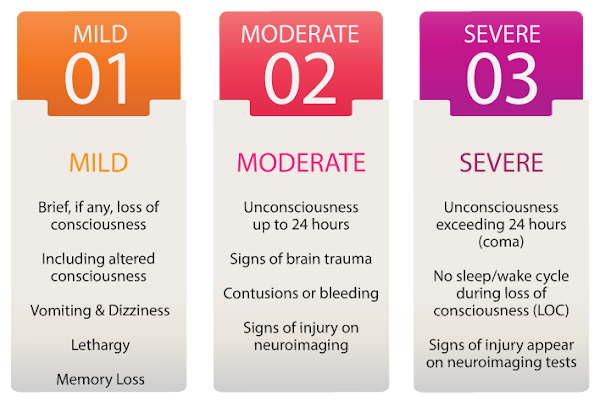
BRAIN INJURY SEVERITY

The severity of damage to the brain after an injury is the primary factor in predicting the injury’s impact on the individual. Brain injury is typically categorized as mild, moderate, or severe.

brain injury severity

A severe brain injury may cause the individual to experience an unconscious state, where one appears to be in a deep sleep and cannot be aroused or respond purposefully. Assessments will typically reveal that the individual has no sleep and wake cycles. This loss of consciousness (LOC) is referred to as a coma. Depending on varying factors and the severity of injury, the individual may remain in a coma, emerge from a coma, or experience an increased level of consciousness.

People can, however, experience different states of consciousness after brain injury. Understanding these disorders of consciousness can be important when discussing treatment and possible rehabilitation options.

Vegetative State

An individual is unaware, but begins to have sleep and wake cycles; normal digestion, breathing, and heart rates; and may open his or her eyes. The individual may occasionally respond to stimuli.

Persistent Vegetative State

Doctors consider a person to be in a persistent vegetative state one year after traumatic brain injury or three to six months after a hypoxic or anoxic brain injury.

Minimally Conscious State

An individual shows slight but definite self-awareness or awareness of their environment. They may inconsistently speak short phrases or words, respond to simple commands, may make “yes or no” gestures or verbalizations (sometimes incorrectly), follow people with their eyes, grasp or hold objects, and show appropriate emotional responses, such as smiling or crying.

One person may only demonstrate a few of these behaviors, while others exhibit all of them. A minimally responsive state may be a transition level to a higher level of consciousness. An individual is considered out of a minimally conscious state if he or she can communicate consistently (at least “yes” and “no”) or can use common objects, such as a glass or brush.

Locked-in Syndrome

An individual can only move his or her eyes, not any other part of their body, and is conscious and able to think.

Diagnosing brain injury and determining injury severity are two different things. In cases where the injury is more severe, it is usually clear from the individual’s symptoms that some type of brain injury has occurred. In situations where the brain injury is mild or moderate, further assessment is often needed to diagnose the brain injury.

CONTACT MILLER WEISBROD

If you or a loved one has suffered a brain injury after any type of accident, do not hesitate to contact the experienced Dallas injury attorneys at Miller Weisbrod, Attorneys At Law.

Our injury attorneys have the proven record, experience, and resources to help you achieve the compensation you deserve. Contact our offices in Dallas, today at (214) 987-0005 for your initial free consultation. You may also complete the form on this page to contact our support team.

Monday, January 24, 2022

Oilfield Well Blowouts and Coil Tubing Injuries

Working on an oil well is a hazardous job. Whether it’s the result of exposure to hazardous chemicals, falls, wellsite fires, explosions or contact with equipment, oil well injuries and fatalities continue to occur. Workers caught in the midst of a well blowout may sustain catastrophic injuries or even be killed.

A blowout occurs when a sudden spike in well pressure shoots the well’s contents from ground-level. Drilling wells sustain pressure from the earth’s crust and also use internal pressure to keep fluids circulating. However, disruptions can reverse the flow of well contents and drive them back to the earth’s surface with extreme force.

The sudden release of pressure at the surface can shoot equipment parts, snap heavy cables, and destabilize the derrick. Bystanders can sustain blunt force trauma, lacerations, amputation, and other concussive injuries. Blowouts also release flammable hydrocarbons that can ignite from sparks or friction, fueling explosions and rig fires that cause burn injuries. They can even tap toxic gases such as methane, carbon monoxide, carbon dioxide, and hydrogen sulfide.

Many oil and gas companies continue to put profit over safety, often resulting in poor supervision, faulty equipment, a lack of safety training and worker fatigue. When accidents occur, they are almost always the result of negligence or intentional short cuts taken by oil and gas companies.

Oil field accidents can lead to any number of debilitating injuries, including amputations, bone fractures, severe burns, blindness, neck and spine injuries, hearing loss, post-traumatic stress disorder (PTSD), permanent disfigurement and traumatic brain injury (TBI).

To prevent a well blowout in drilling, workers should be trained properly and know how to act in the event of an emergency. Those on duty should be aware of how their blowout prevention equipment behaves in extreme conditions and BOPs should be kept in good condition to continue functioning accurately.


Catastrophic Well Blowouts

What is a Blowout?
Blowouts are a release of built-up pressure from oil drilling efforts. When oil collects underground, it forms an oil field. When people drilling for oil attempt to tap into this concentration of oil, the pressure can build up and cause a blowout. Oil well blowouts cause death and catastrophic injuries to workers near the scene of a blowout.

Why do oil wells explode?
Oil well blowouts can occur when the rig applies too much pressure during the drilling, causing the pool of underground oil to erupt. When the drill encounters a pressurized zone underground and the gravity of the drilling mud fails to counteract the pressure, it causes a sudden rush of pressure up the system.

What causes a blowout during drilling?
An uncontrolled flow of formation fluids from the wellbore or into lower pressured subsurface zones (underground blowout). Uncontrolled flows cannot be contained using previously installed barriers and require specialized services intervention.

Types of Blowouts
"Well blowouts" at the surface can cause the oil or gas to be ejected. It could also bring up mud, stones, and sand. These could be caused by sparks from rocks rubbing together or from another type of heat source.

Preventing Blowouts
A Blowout Prevention System (BOP) is used as an extra layer of protection when drilling in high-pressure areas. The BOP consists of several valves installed at the top of the well that allows workers to control pressure or close a well off completely. BOPs are critical to the safety of drilling operations, and they are required to be inspected and maintained frequently.

A blowout preventer (BOP) is a specialized valve or similar mechanical device, used to seal, control and monitor oil and gas wells to prevent blowouts, the uncontrolled release of crude oil or natural gas from a well. They are usually installed in stacks of other valves.

The first sign that a blowout may be eminent is an event known as a “kick”. The kick occurs when the pressure balance is off. If this kick is not controlled, the result could be a blowout. There are certain signs that workers can lookout for when it comes to kicks. The rate at which drilling takes place may suddenly change or the rate of surface fluid may change. Workers also need to be on the lookout for change in the pressure of the pump or a reduced weight in the drill pipe.

What is the difference between a blowout and a kick?
A kick is defined as flow of formation fluids or gas into the wellbore.
A blowout is the uncontrolled release of the fluid or gas, gained through the kick. A blowout can take place at the surface or into another formation (underground blowout).

Blowout preventers were developed to cope with extreme erratic pressures and uncontrolled flow (formation kick) emanating from a well reservoir during drilling. Kicks can lead to a potentially catastrophic event known as a blowout. In addition to controlling the downhole (occurring in the drilled hole) pressure and the flow of oil and gas, blowout preventers are intended to prevent tubing (e.g. drill pipe and well casing), tools and drilling fluid from being blown out of the wellbore (also known as bore hole, the hole leading to the reservoir) when a blowout threatens.

Blowout preventers are critical to the safety of crew, rig (the equipment system used to drill a wellbore) and environment, and to the monitoring and maintenance of well integrity; thus blowout preventers are intended to provide fail-safety to the systems that include them.

Oilfield Coil Tubing

Drilling sites feature incredibly large and dangerous pieces of equipment. They’re required for pulling pipe, drilling, mixing mud, and many other jobs that occur on the worksite. These types of equipment are large and heavy. When they’re faulty, the results can be fatal. Heavy machinery on work sites is required to be safe for workers to use, meaning that it must be well maintained. These workers are also required to be provided with adequate training for operations and safety. When an employee isn’t trained correctly, or when the equipment isn’t up-to-code, that’s when accidents happen.

What does coil tubing do in the oilfield?
Coiled tubing is a cost, and time-effective solution for well intervention operations. Instead of removing the tubing from the well, coiled tubing is inserted into the tubing against the pressure of the well and during production. The coiled tubing is a continuous length of steel or composite tubing that is flexible enough to be wound on a large reel for transportation. The coiled tubing unit is composed of a reel with the coiled tubing, an injector, control console, power supply and well-control stack. The coiled tubing is injected into the existing production string, unwound from the reel and inserted into the well.

Coiled tubing is chosen over conventional straight tubing because conventional tubing has to be screwed together. Coiled Tubing fulfills three key requirements for downhole operations on live wells by providing a dynamic seal between the formation pressure and the surface, a continuous conduit for fluid conveyance and a method for running this conduit in and out of a pressurized well.

The most common applications for coiled tubing are cleanout and perforating the wellbore, as well as retrieving and replacing damaged equipment. A jetting tool can be used to remove scale from a producing well. The tool consists of a rotating head with opposing tangentially offset nozzles and a drift ring.

Jetting action from the nozzles removes scale from tubular walls while the drift ring allows the tool to advance only after the internal tubular diameter is clean. Nonabrasive fluids are pumped through the nozzle for removal; abrasive beads are used to remove hard scales. When tubulars are completely plugged, abrasive jetting is used in conjunction with a powered milling head.

Additionally, some advances in coiled tubing allow for real-time downhole measurements that can be used in logging operations and wellbore treatments. Enhanced Oil Recovery (EOR) processes, such as hydraulic and acid fracturing, can also be performed using coiled tubing. Furthermore, sand control and cementing operations can be performed via coiled tubing.

Oilfield Coil Tubing Blowout


OSHA Case Study:

Cudd Pressure Control, Inc.
August 3, 2001: An employee was preparing a spool on a coil tubing unit for change out and replacement with another spool containing different diameter pipe or tubing. A coil tubing unit is a mobile unit that carries 15,000 to 20,000 feet of pipe coiled around a spool for deployment into existing oil or gas wells. The employee was standing on top of the spool, about 12 feet above ground level.

As he cut the tubing to free it from the injector, the approximately 10-foot in diameter spool he was standing on began to turn slowly. The spool's hydraulic system was engaged, the brake was not set, and the spool was not secured or chained. In addition, the employee had tied his safety lanyard off to the rim of the spool. Tied at the waist and unable to unhook his lanyard, he was subsequently pulled through a 10-inch gap between the spool and its frame.

The lanyard broke away and the spool then made several revolutions before another operator could climb up into the control room to stop the spool. The incident resulted in a fatal injury to the employee, who was asphyxiated.


Contact Miller Weisbrod

We understand that many oilfield injuries involve permanent damage that may impair your ability to ever work the same way again. We will make sure to include lost wages, future lost earnings, pain and suffering and all medical claims in our settlement demands. Miller Weisbrod's experienced Oilfield Injury Attorneys are prepared to take your case to court as well.

If you have suffered an oilfield injury or a loved one died in an oilfield accident, please contact our offices today at 214.987.0005 or toll free at 888.987.0005 for a free consultation. You may also contact us through the form on this page for answers to your important questions or to schedule an appointment.